top of page

Jewelry Production

How Jewelry are done?

Consist of the following steps

1. CAD Design

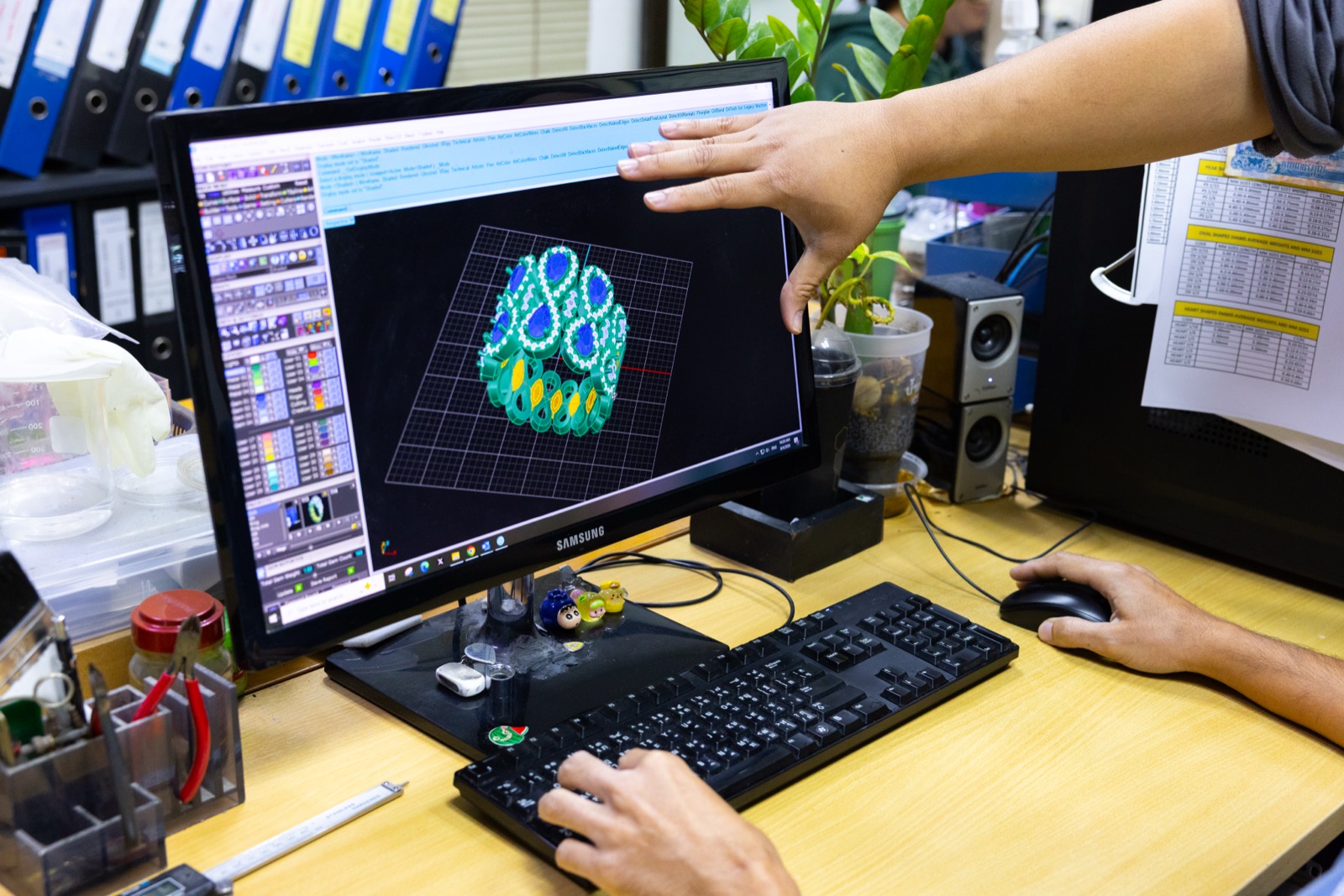
  • Develop unique and innovative jewelry designs using CAD software, based on customer specifications and design briefs. turning your 2D drawing in to 3D modeling master piece.

  • Ensure that all designs meet quality, accuracy, and manufacturing feasibility standards, paying close attention to detail.

  • The rendered CAD file have a full breakdown of the design as shown in the picture bellow:


2. 3D printing

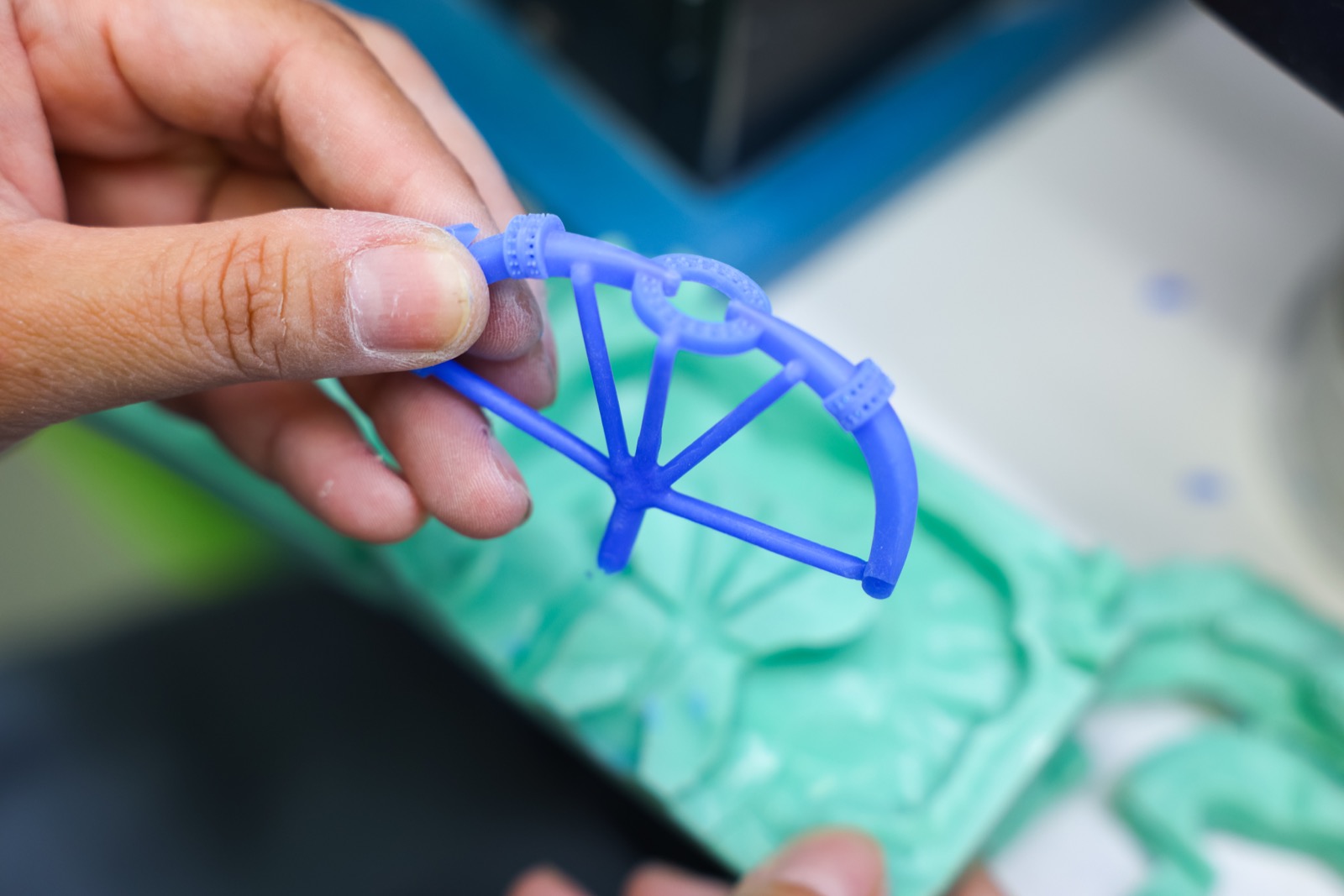
  • The 3D printer is taking the digital image and turn it to a physical object by printing thin layers of material fusing all layers together.


3. Model Casting

  • The 3d model resin will be casted in silver or other metal

4. Model preparation for Production

  • The silver Model will be the base for the total process of the final piece.

  • The silver master model will be use to make the rubber mold.


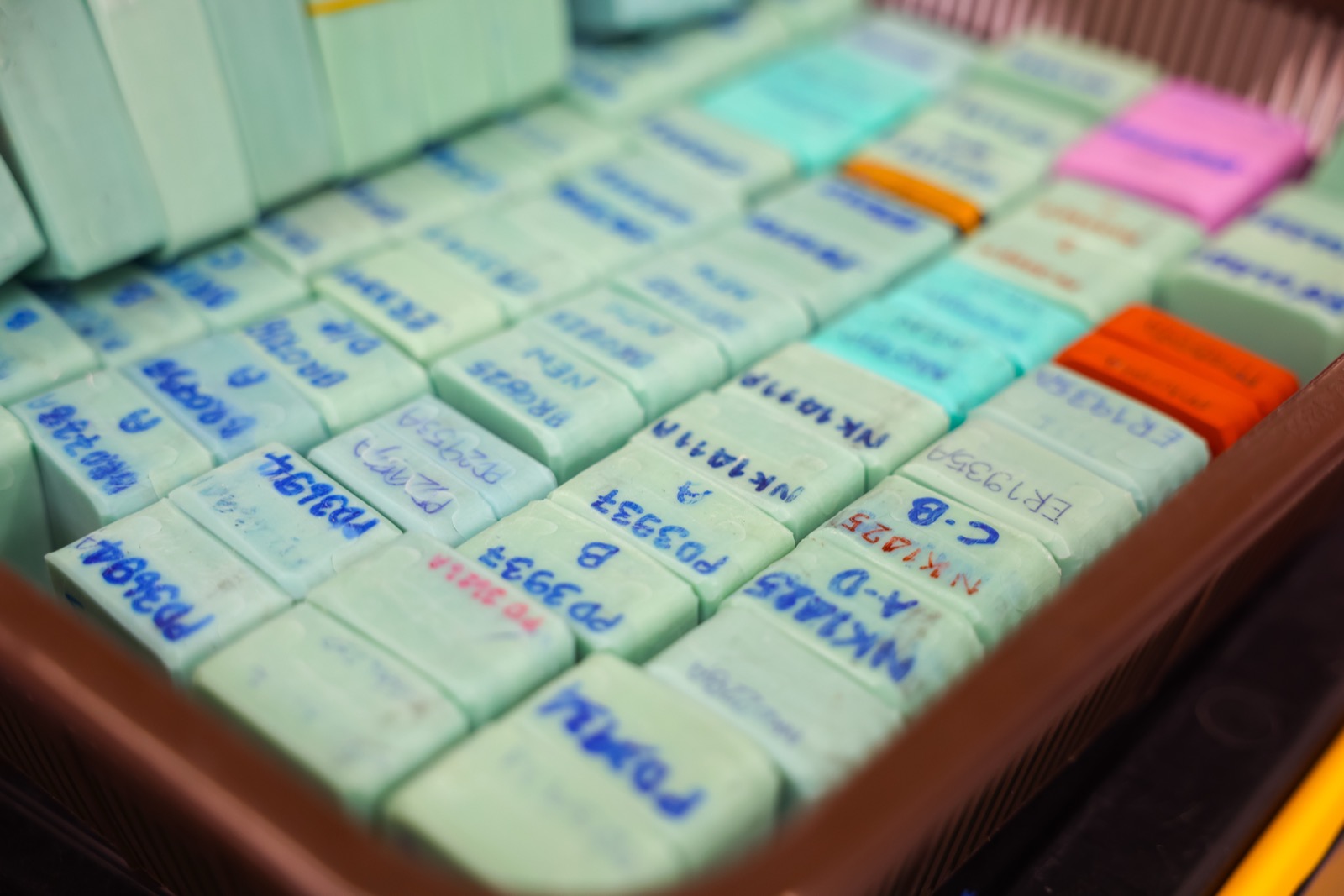
5. Rubber Making

  • The silver master model is then placed into a sandwich of rubbers and squeeze the rubber layers around the master model, creating an impression of the master mold.

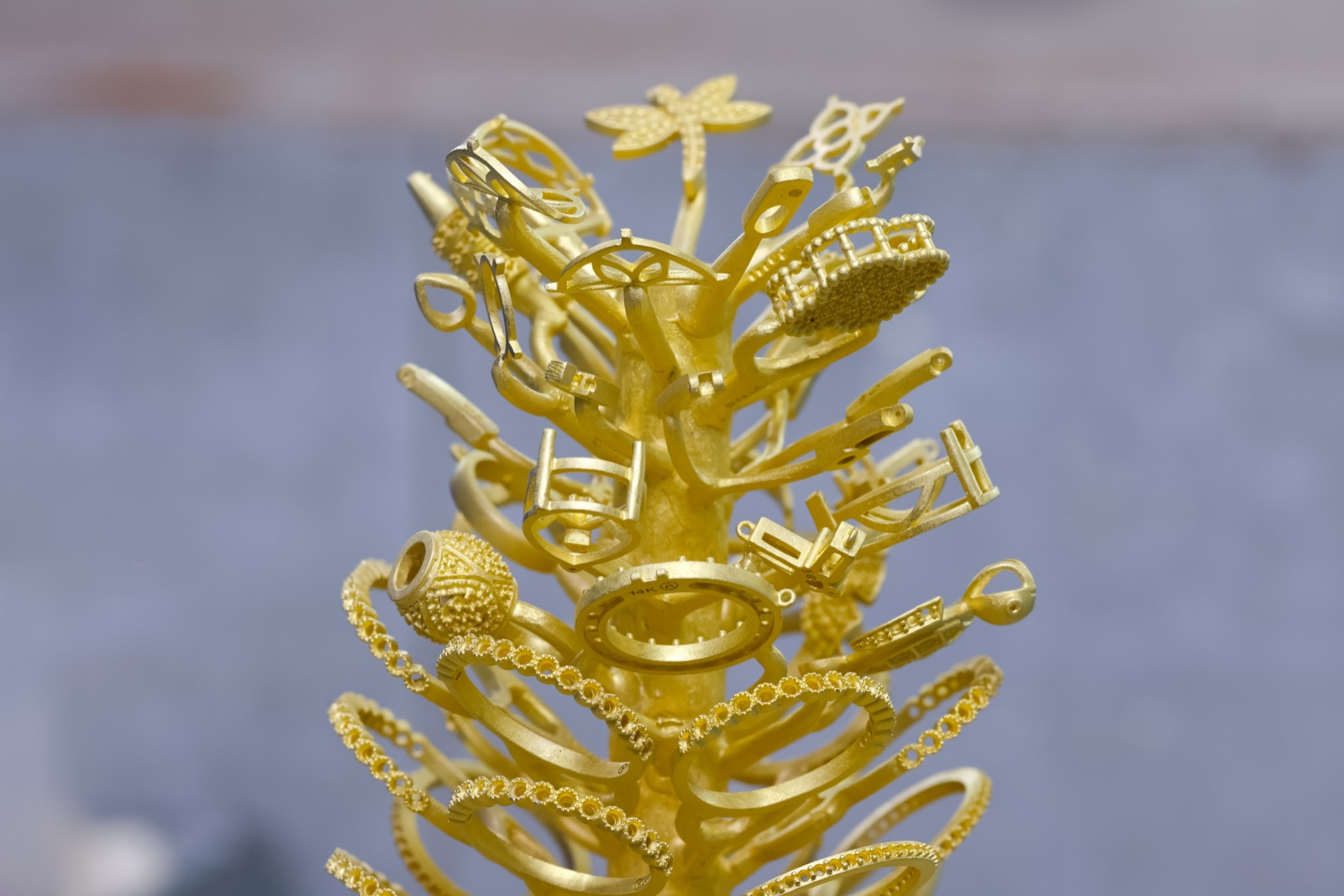
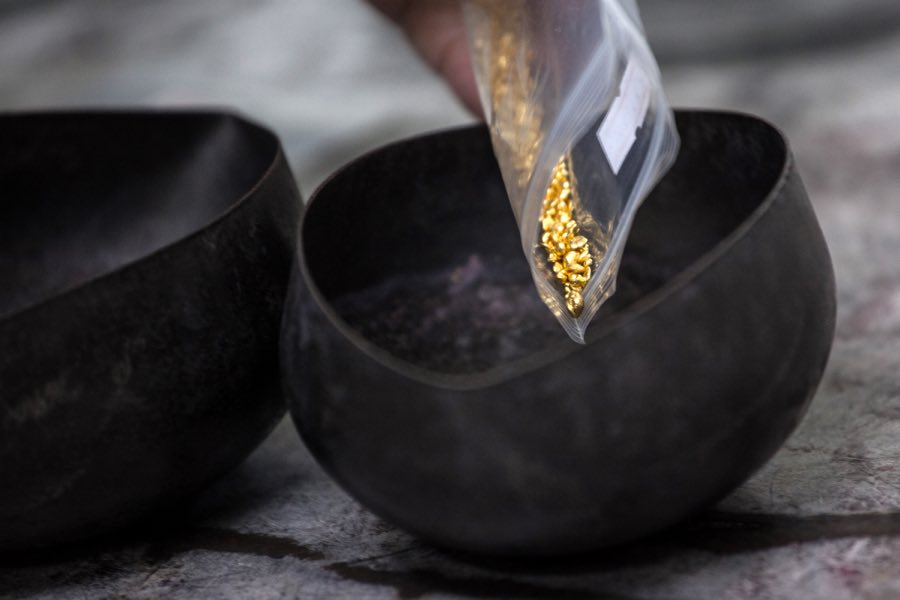
6. Casting in gold


7. Filling


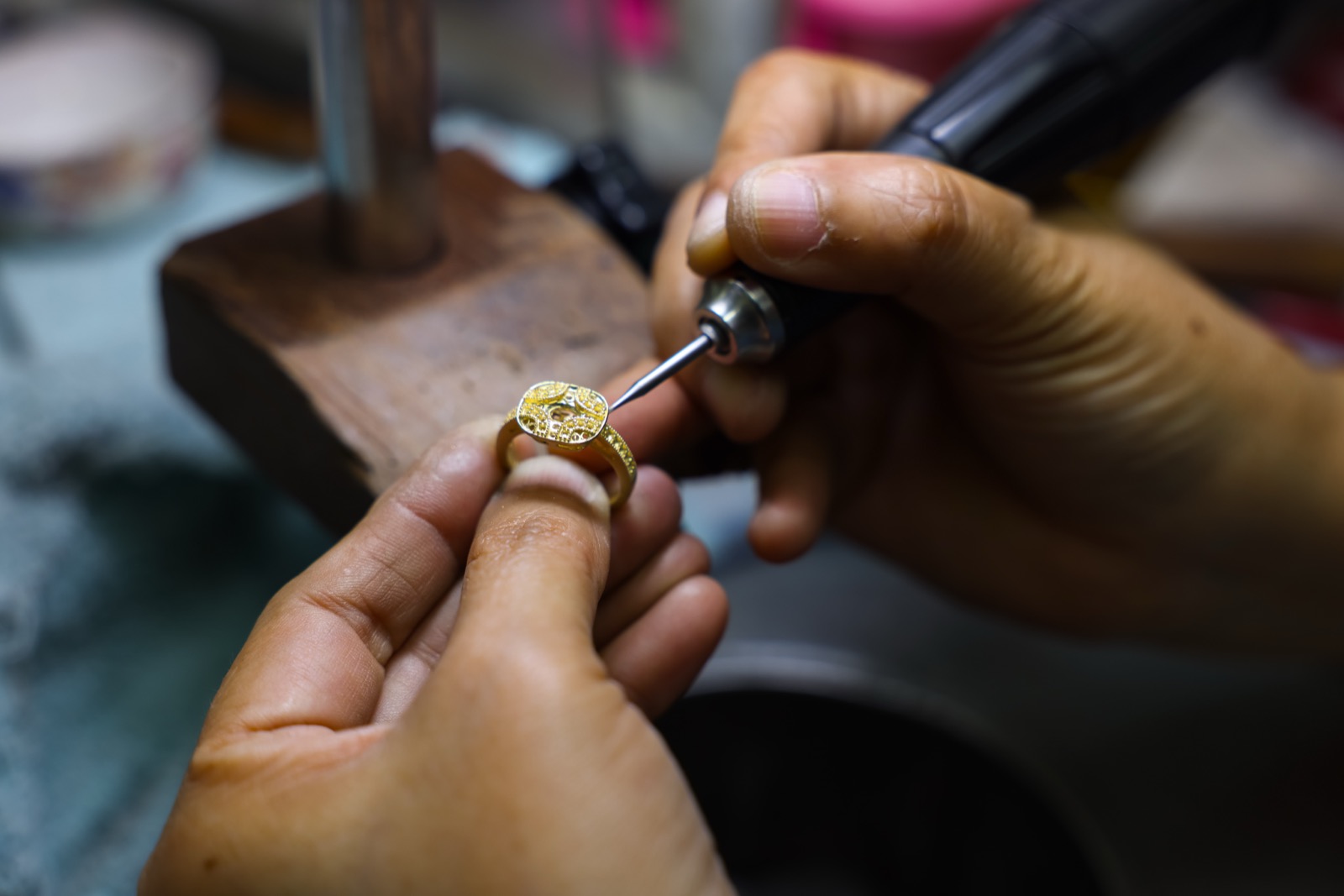
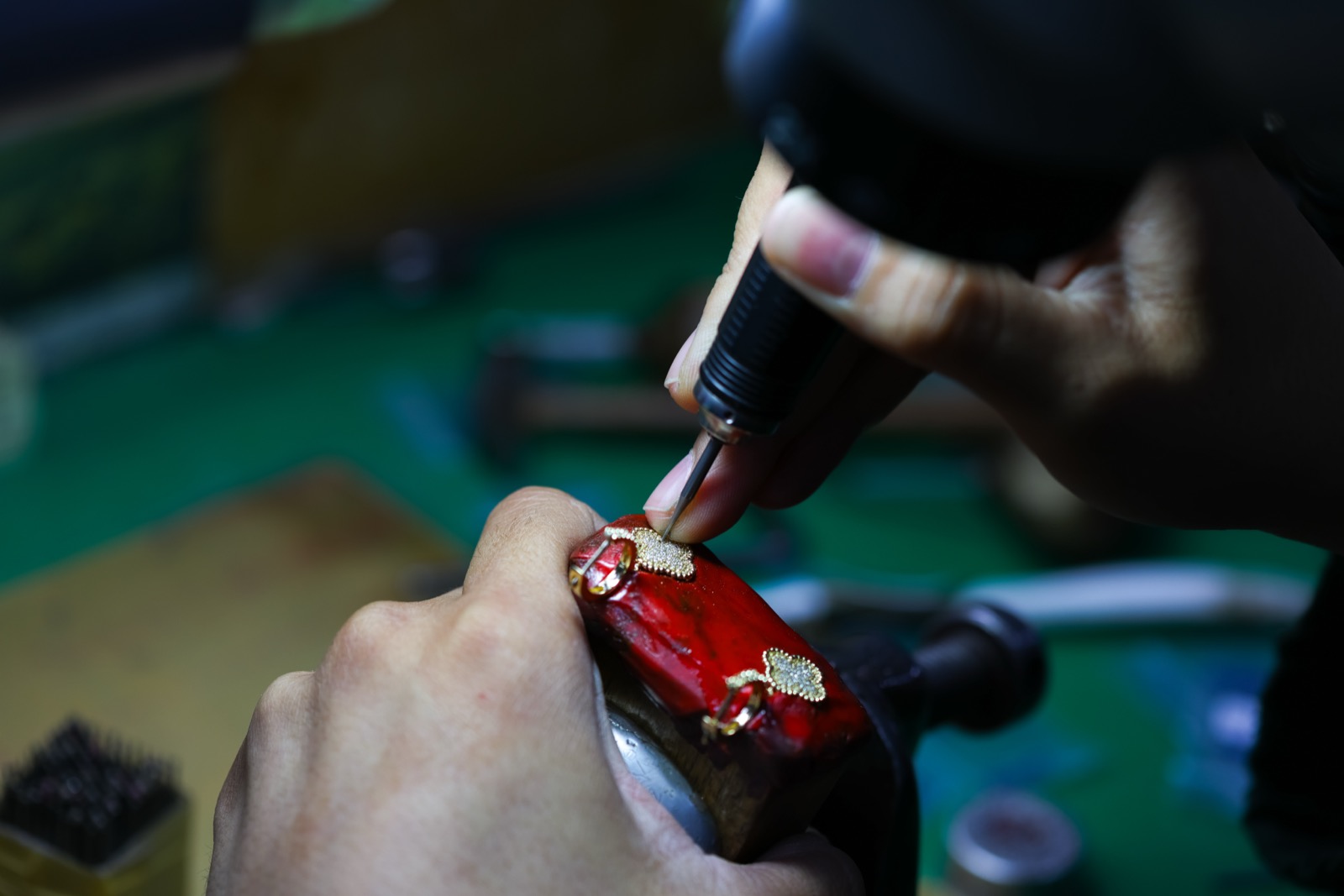
Filling will be the first step after casting, this process remove the casting skin by filling the top surface of the mounting. Filling using hand tools to remove, smooth, and shape metal surfaces.


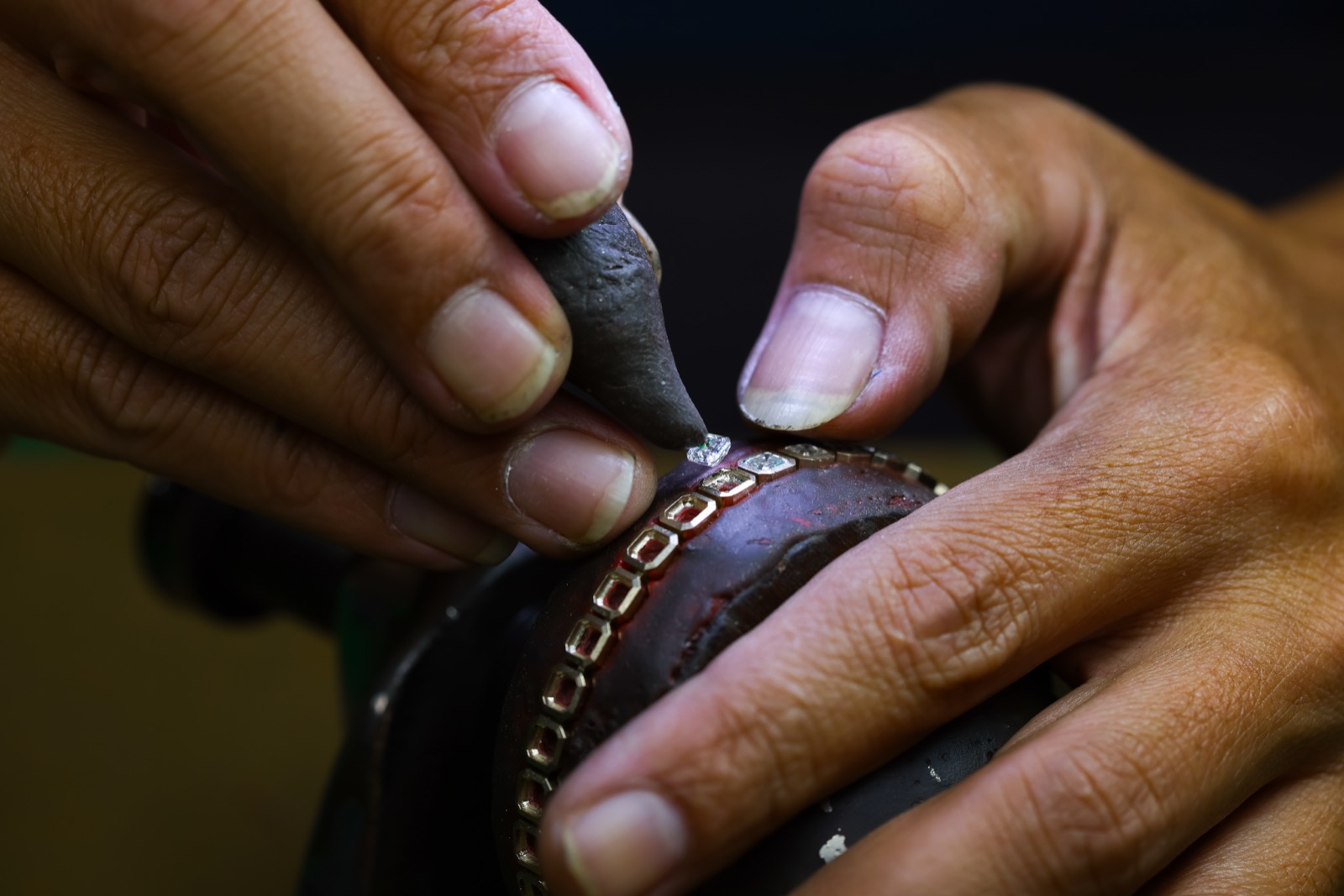
8. Setting diamonds


The setting process in jewelry is the art of securing gemstones into metal mounts, acting as the final, crucial step in jewelry fabrication to hold stones safely while enhancing their brilliance. It involves using techniques like prongs, bezels, or channels to lock stones into metal castings. 

Key Aspects of the Setting Process:

  • Purpose: The primary goal is to securely hold a gemstone while maximizing its light exposure to show off its color, cut, and clarity.

  • A few Techniques examples:

    • Prong Setting: Uses 4-6 metal claws to lift and hold a stone, maximizing light.

    • Bezel Setting: A metal rim surrounds the stone for superior security and protection.

    • Channel Setting: Stones are placed in a groove between two metal bars, often used for bands.

    • Pave Setting: Small stones are closely set, held by tiny beads of metal.

  • The Process: A jeweler prepares the metal seat, inserts the stone, and uses tools (like gravers or burnishers) to push the metal over the stone's edges.

  • Considerations: The method chosen depends on the stone's shape, size, and the desired aesthetic. 


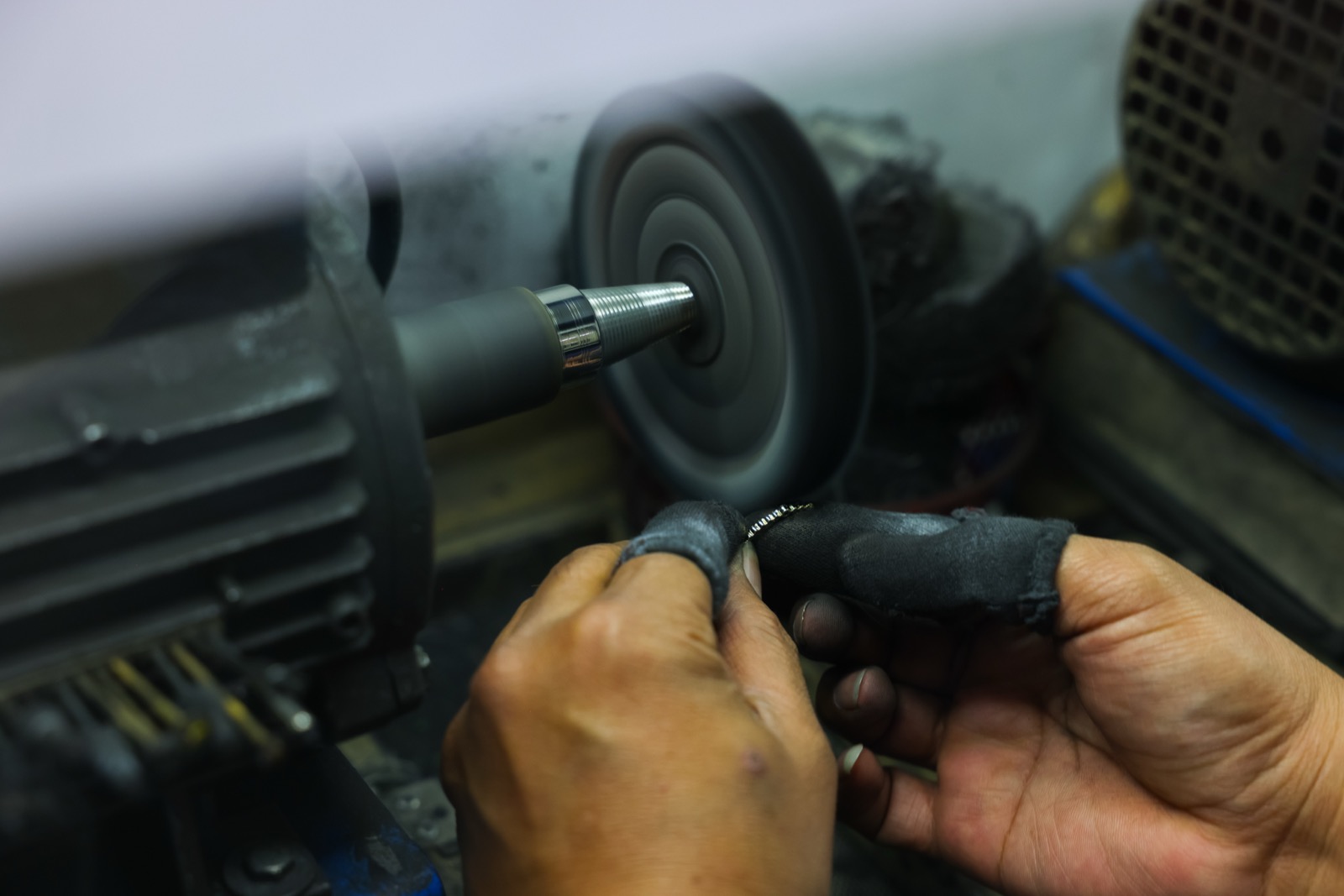
9. Polishing


Polishing in jewelry is the final, multi-stage finishing process that removes surface imperfections, scratches, and oxidation from metal castings using abrasives and buffing compounds. It transforms rough, dull pieces into a smooth, high-gloss, mirror-like finish using tools like rotary motors, buffing wheels, and compounds like Tripoli or Rouge. 

Key Stages in the Polishing Process

  • Surface Preparation (Grinding/Sanding): Initial removal of rough spots, sprues, and casting marks using abrasive files, sanding sticks, or grinding wheels.

  • Pre-polishing (Cutting): A faster, slightly abrasive step using a cutting compound (e.g., Tripoli) to smooth out scratches left by grinding.

  • Final Polishing (Buffing): The last stage uses a soft buffing wheel with a fine, polishing compound (e.g., Rouge) to create a high-luster, reflective surface.

  • Cleaning: Removing excess compound and debris from the piece, often using ultrasonic cleaners or steam machines, ensuring all crevices are clean. 


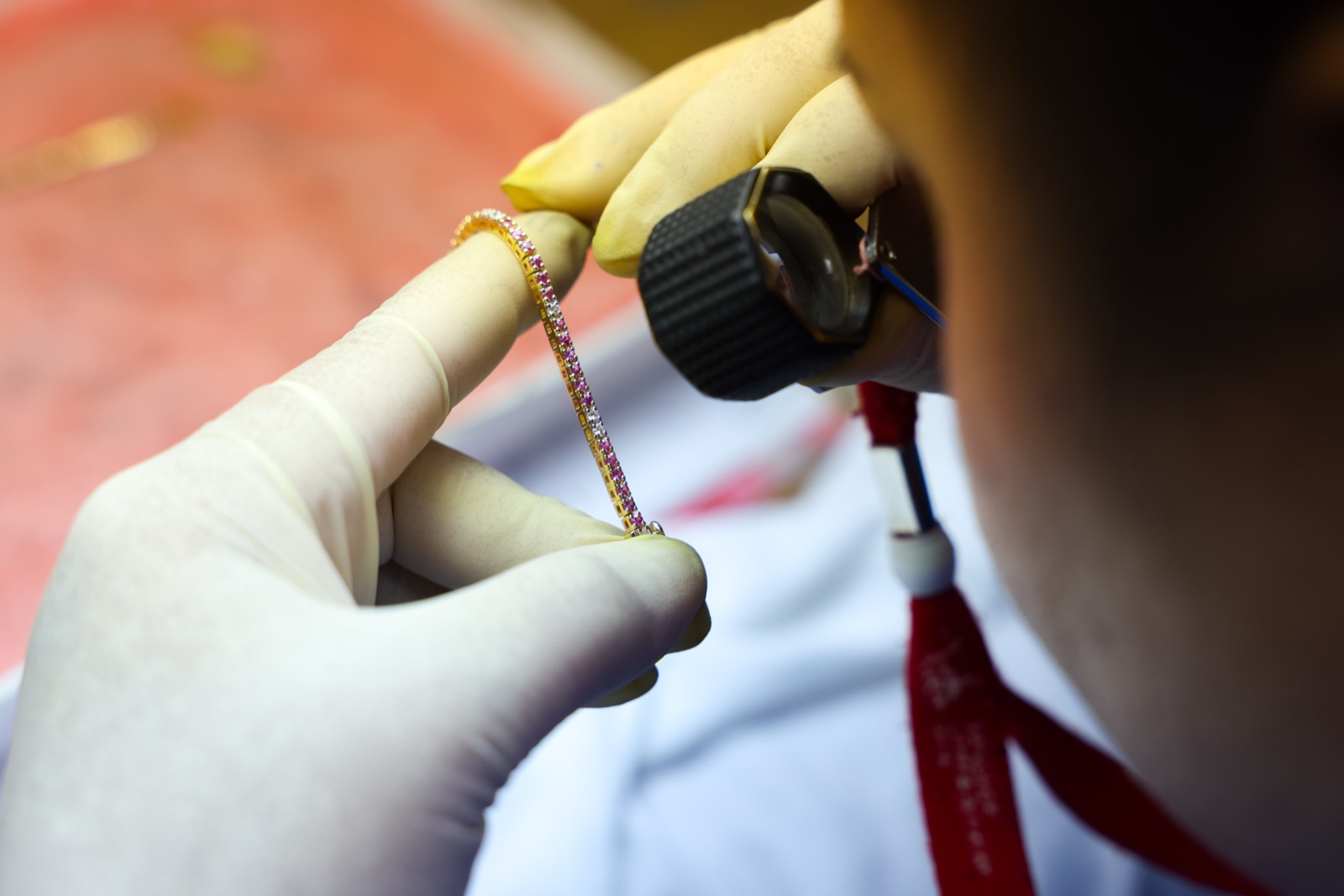
10. Quality control

The quality assurance (QA) process in jewelry is a multi-stage, systematic inspection and testing protocol implemented throughout production to ensure finished pieces meet standards for durability, purity, and craftsmanship. It involves validating materials (metals/stones), checking craftsmanship during assembly (casting, setting, polishing), and verifying final, flaw-free products. 

Key components of the jewelry quality assurance process include:

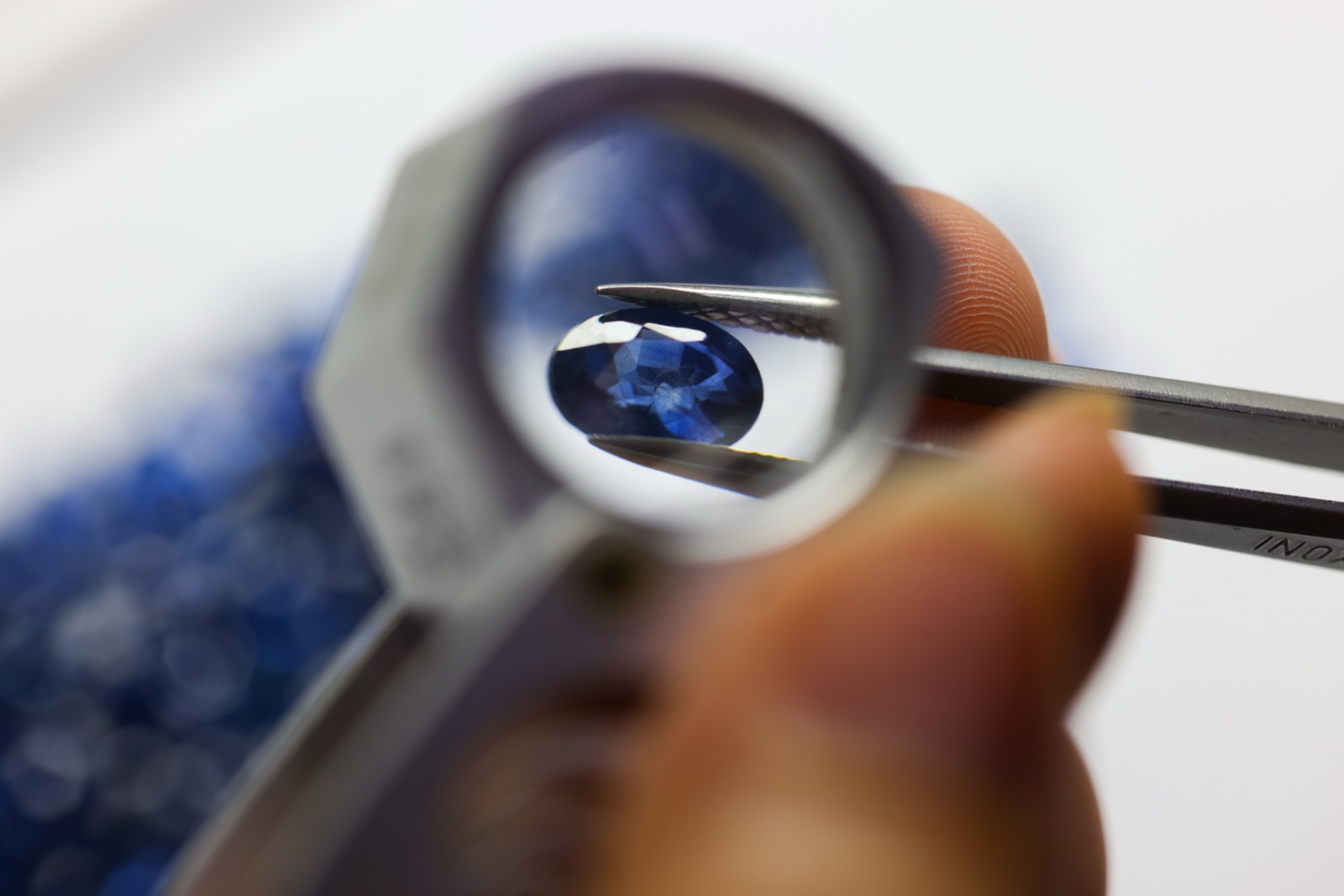
  • Raw Material Inspection: Before manufacturing, materials are tested for quality and authenticity. This includes using X-ray fluorescence (XRF) or spectroscopy to verify metal purity (e.g., 14k, 18k, Platinum) and checking gemstone authenticity and grade.

  • In-Process InspectionMEO Jewelry Co., Ltd. and similar manufacturers check pieces at every stage: wax injection, casting, filing, setting, and polishing to prevent defects early.

  • Workmanship and Structural Checks: Inspectors evaluate for, as highlighted by GIA, common failures such as loose stones, uneven prongs, poor soldering, and surface imperfections.

  • Final Inspection: A comprehensive check ensures the final product is polished to perfection, hallmarks are correct, and the piece matches the design specifications before shipping.

  • Compliance Testing: Checking that every piece are crafted according to the customer requirement and meet the expectation . ​​​​

3D resin printer
Model casting_edited.jpg
R3950_edited.jpg
image0_edited.jpg
image0_edited.jpg
image8_edited.jpg
image7_edited_edited.jpg
image5.jpeg
Picture 043.jpg
Picture 045.jpg
Picture 034.jpg
Picture 031.jpg
Jewelry_Polishing.JPG
Picture 026.jpg
Jewelry_Quality_Control.JPG
Jewelry_QC_Polish.jpg
bottom of page